
3 Questions with Brooj Abro, MD, FASCP
By - January 22, 2026
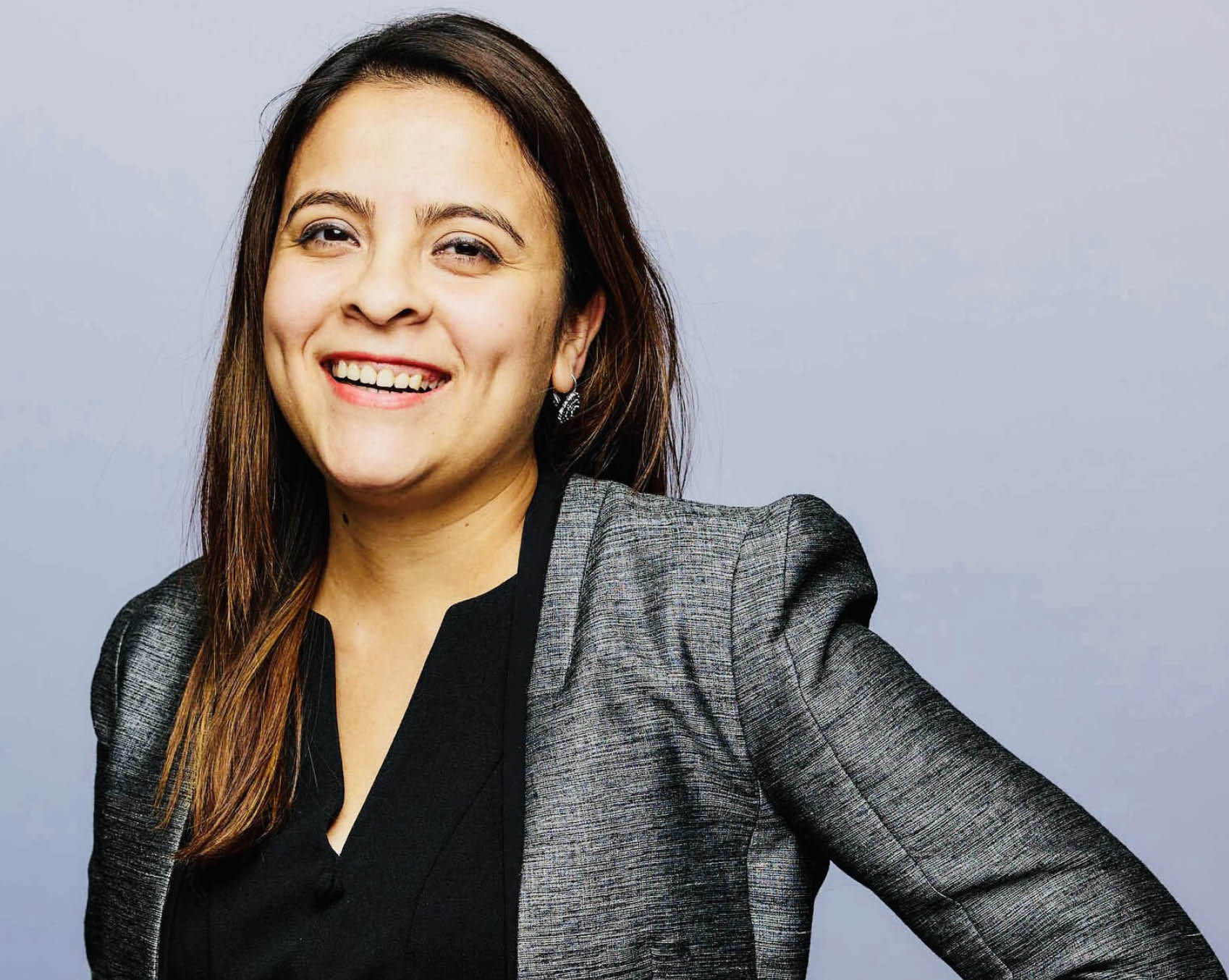
For Brooj Abro, MD, FASCP, assistant professor of Pathology and Laboratory Medicine at Emory University School of Medicine, the draw to pathology and laboratory medicine is its unique position at the intersection of science, patient care, and systems improvement. She is endlessly intrigued by the stories that cells and tissues tell, and just when she thinks she’s seen it all, a surprising new case comes along that deepens her appreciation for the complexity of disease. The investigative process, Dr. Abro says, of connecting scattered clues into a coherent biological narrative, remains deeply gratifying.
Equally meaningful to her is the transformative role of the laboratory in shaping patient care on a broader scale. “I see the lab not just as a place of diagnosis, but as an engine for innovation, collaboration, and education,” Dr. Abro says. “Teaching and mentorship have become deeply rewarding aspects of my work. Designing educational resources and programs for trainees and involving them in educational projects, while watching them develop diagnostic confidence and curiosity reminds me daily why education is such an essential part of laboratory medicine’s mission. I recently stepped into the role of Associate Residency Program Director and look forward to using this opportunity to further support the education, mentorship, and professional development of the next generation of pathologists.
Here, Dr. Abro shares her thoughts on how pathology unites her intellectual curiosity with professional purpose, connecting science, systems, and people that meaningfully improve healthcare.
What motivates you in your role, knowing that your results influence a patient’s diagnosis and treatment?
This question reminds me of something an applicant recently asked me during the residency interview season: “What motivates you to come to work every day?” My answer was simple; I look forward to finding the right diagnosis for each patient, working collaboratively with the hematology/oncology team to ensure that appropriate treatment can begin.
There are cases that bring deep satisfaction when we diagnose a disease that is treatable and curable, and others that are heartbreaking, when the findings point to a poor prognosis or limited treatment options. Those moments remind me how far medicine has come, yet how much we still have to learn about the complex biology of certain diseases. They also reinforce the importance of what we do and our role in providing clarity and direction at critical moments in a patient’s journey.
What motivates me most is knowing that my work makes a tangible difference in someone’s life. Each case represents a story, a family, and a set of decisions that depend on our interpretation. Even when faced with diagnostically challenging tumors that “don’t read the book,” we persist—reviewing, correlating, and seeking every possible clue to provide the most meaningful answer and to guide therapy as best as possible.
Beyond individual cases, I am equally motivated by the broader impact of laboratory medicine, the opportunity to continually improve and refine systems, and implement innovations that enhance quality and patient safety. Whether through diagnostic precision, multidisciplinary collaboration, or education that strengthens our teams, I am inspired every day by the privilege of contributing to care that is both scientifically rigorous and deeply human.
What are some of the lessons you’ve learned through the different volunteer roles you’ve taken on?
Volunteering with professional organizations like ASCP has been a very rewarding aspect of my career. I view volunteerism as an essential part of professional growth, a way to contribute and give back to the broader pathology and medical community. It also provides valuable opportunities to connect and collaborate with pathologists and laboratory professionals beyond my own institution, fostering the exchange of ideas and sparking new innovations.
As a member of the ASCP CheckPath Hematopathology Committee, I have had the privilege of collaborating with colleagues across institutions to create high-quality educational cases. I also involve residents and medical students in this process, which has reinforced for me the value of mentorship and shared learning.
Through the ASCP Ambassador program, I’ve had the opportunity to engage directly with students and trainees who are exploring careers in pathology. One of the most meaningful experiences was mentoring a bright medical student I met through the program who later completed a three-week rotation with me at Emory. We have stayed in touch, and I am looking forward to seeing her continued growth and evolving interest in pathology.
These volunteer experiences have strengthened my belief that contributing to national organizations not only advances our profession but also fosters personal growth. They have taught me the importance of collaboration, education, and service. I am truly grateful to ASCP for providing these platforms to give back, learn, and grow within such a supportive and inspiring community.
What does collaboration with physicians and other healthcare providers mean to you in ensuring the best care for patients?
To me, collaboration is at the heart of patient-centered care. In pathology and laboratory medicine, no diagnosis or result exists in isolation; it is the product of teamwork, communication, and a shared purpose.
As a hematopathologist and Associate Director of the Hematology Laboratory, my role naturally bridges multiple facets of patient care, connecting me with diverse members of the clinical team. I have the privilege of working closely with hematologists, oncologists, and laboratory technologists. This collaborative approach is especially vital when integrating clinical observations with microscopic and ancillary findings to resolve complex diagnostic challenges. I also actively participate and present at tumor boards, which serve as key platforms for multidisciplinary collaboration. These meetings bring together hematologists, oncologists, radiologists, and fellow pathologists to discuss diagnosis and management, aligning clinical insights with laboratory data to guide optimal patient care.
Education plays an equally important role in fostering collaboration. I oversee the hematopathology rotation for hematology/oncology fellows, providing opportunities for them to better understand laboratory workflows and the impact of their specimen submissions. This exchange not only strengthens their appreciation of laboratory processes but also helps us understand how our reports influence real-time clinical decisions.
My collaboration extends beyond the clinical interface to the operational side of the laboratory. In my role as Associate Director, I work closely with our talented technologists to support their training, promote quality improvement, and highlight their essential contributions to patient care. To further strengthen engagement and education within the lab, I recently initiated a new series, “Monthly Hematology Highlights.” This initiative provides a platform to share educational presentations and interesting cases, offering teaching opportunities for laboratory technologists and trainees. The initiative has been well received, with participation from technologists, trainees, and pathologists.
The connections and collaborations across clinical and laboratory teams ensure that all members of the care team, from doctors to technicians, are well-informed and cohesive in our shared goal of delivering the best patient care.

Team Critical Values
Team Critical Values