
3 Questions with Aadil Ahmed, MD, FASCP
By - May 28, 2026
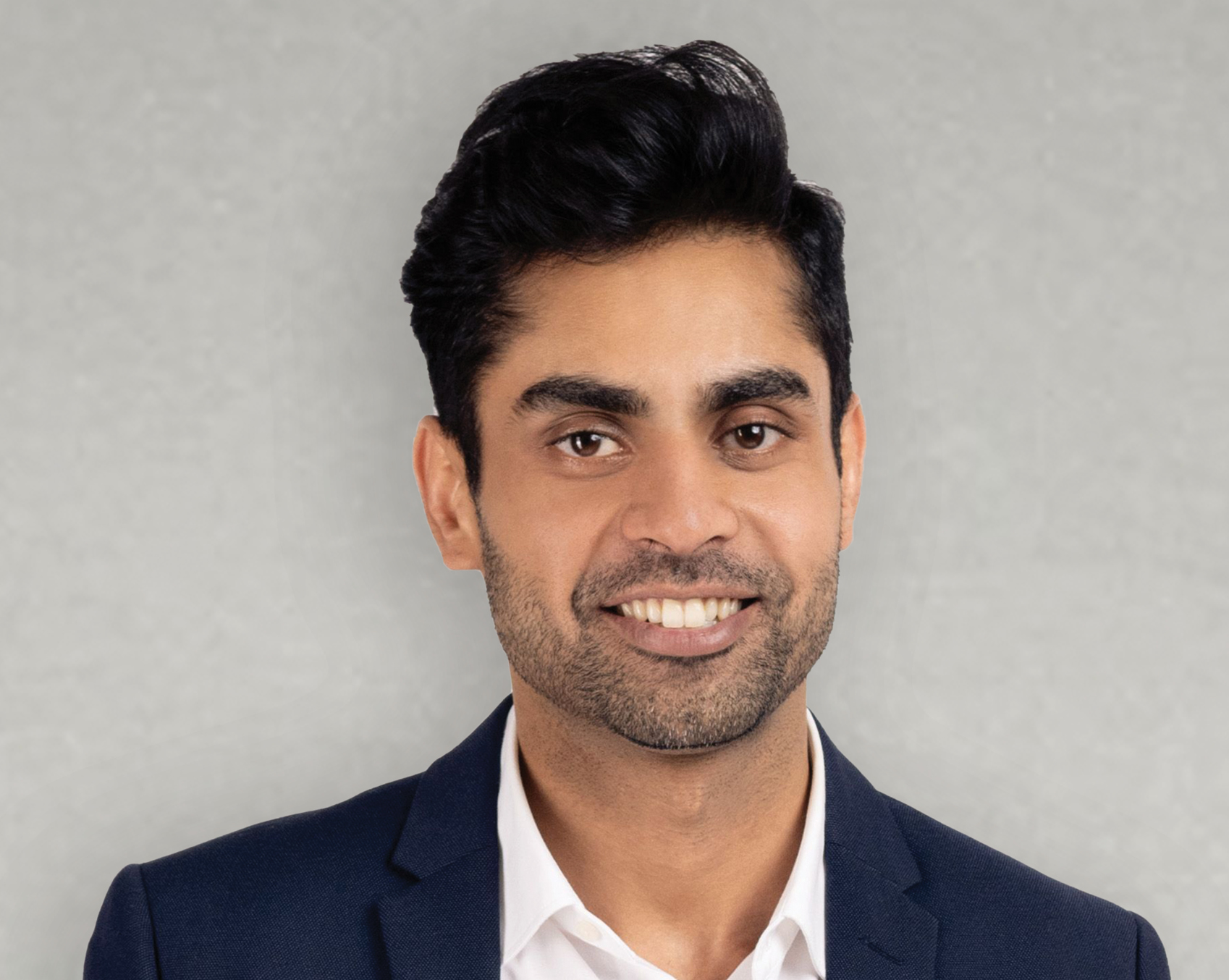
Medicine is not practiced on assumptions, and the realization that pathology provides the most objective and definitive evidence of disease in medicine is what drew Aadil Ahmed, MD, FASCP, to the field. To see how diseases evolve in real time under the microscope and through molecular testing, whether watching blast counts decrease after induction therapy, or seeing chimerism patterns shift in a transplant patient, is powerful to witness. It underlines the fact that pathology doesn’t just diagnose disease; it tracks the response to therapy, shapes prognosis, and guides critical decisions for both clinicians and patients.
Dr. Ahmed was also drawn in by the realization of how essential pathology is for documenting disease in a way that is recognized not only medically but also administratively. The requirements for insurance coverage, treatment authorization, and clinical eligibility decisions underscore the responsibility to how central pathology is to ensure patients receive the care they need.
Here, Dr. Ahmed shares his thoughts on his career in the laboratory.
What is something that has surprised you about working in the lab?
Every single step of processing a patient’s specimen is absolutely critical. From accessioning to grossing, embedding, sectioning, staining, and interpretation, each step forms a chain, and if even one link is weak or overlooked, it affects everything downstream. You might think a small deviation is inconsequential, but in pathology, even minor errors can compromise a diagnosis or delay the information clinicians rely on.
That’s why succeeding in this field requires more than technical skill; it requires genuine passion, attention to detail, and vigilance. People who truly care about the work are the ones who notice when something looks off, when a block feels unusual to cut, when a stain doesn’t appear quite right. This sense of ownership and pride in the process is what keeps the entire diagnostic pathway safe and reliable for patients. All of these steps also require that there is camaraderie among the staff. Everyone from the lab assistants to the histotechnologists to the pathologists plays a vital role.
The lab may seem quiet from the outside, but there is always a lot happening to ensure results are accurate and timely.
What is your favorite test to perform and why?
My favorite test to perform, if I can call it a test, is reviewing a good H&E stain. To me, H&E is the most powerful stain in all of pathology. It’s basic, it’s universal, and yet it delivers the greatest amount of information a tissue can offer. Call me old‑fashioned, but pathology is, at its core, a visual discipline.
Even in an era where we have impressive ancillary tools, immunohistochemistry panels, molecular assays, flow cytometry, sequencing, there are times when those studies yield non-diagnostic or inconclusive results. Everything starts with morphology, and while the fundamental patterns of diseases are consistent, the finer details are often subtly different. Those small deviations challenge you to slow down, and to appreciate nuances that no molecular test will point out for you. It’s in those details where the art and science of pathology truly meet.
How do you approach difficult cases, and collaborate and communicate with clinicians to maintain a strong sense of purpose and connection to the human side of healthcare?
I see challenging cases as important opportunities to reinforce that pathology does not function in isolation, even though, as a behind-the-scenes specialty, our role can sometimes be overlooked. In these situations, I’m not hesitant to pick up the phone and speak directly with the clinician to gather additional clinical context or discuss management considerations. Having a working understanding of treatment strategies is especially valuable here; it not only improves diagnostic precision but also demonstrates the broader clinical perspective we bring, which helps build trust with our clinicians over time.
At the same time, I’m intentional in how I communicate through my reports. I try to use clear, active language that reflects thoughtful interpretation, so it’s evident that there is a physician actively engaged in the diagnostic process. That approach helps me feel more connected to patient care, while also fostering a sense of collaboration and confidence among the clinicians who rely on our work.

Team Critical Values
Team Critical Values