
3 Questions with Ann Ho Cichocki, CLS, MLS(ASCP)CM
By - July 16, 2026
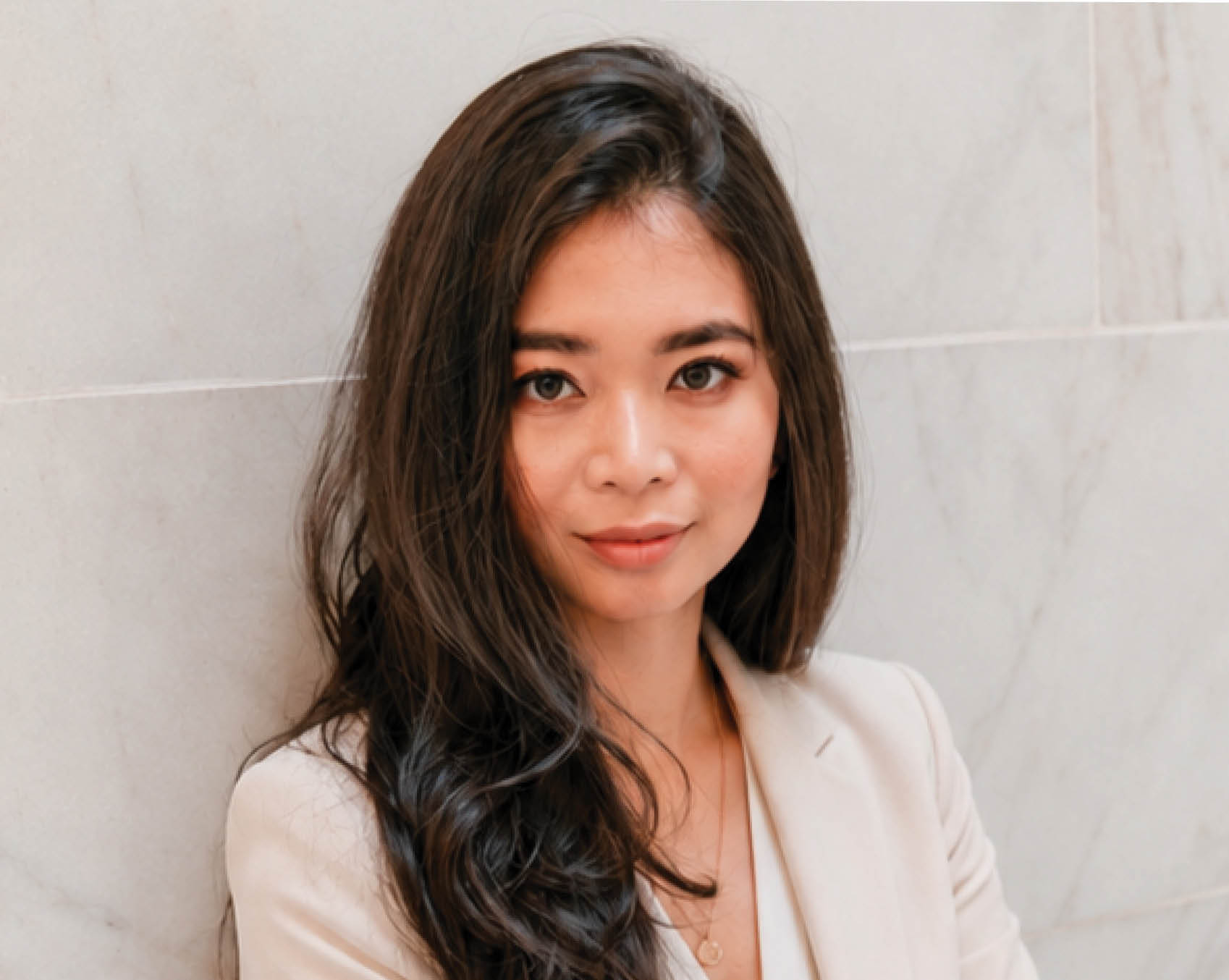
One of the most meaningful volunteer experiences shaping Ann Ho Cichocki’s professional perspective has been her service as Treasurer for the ASCP Northern California Chapter. As Treasurer, she has gained far more than financial management experience; it has become an opportunity to grow as a leader, advocate, and collaborator within the laboratory community. From engaging with state policymakers on issues affecting laboratory services and workforce sustainability to helping ensure responsible stewardship of chapter resources, the experience reinforced the importance of giving laboratory professionals a strong voice beyond the bench.
Equally impactful for Ms. Cichocki, CLS, MLS(ASCP)CM, were the relationships she built along the way. Working alongside passionate volunteers highlighted the power of teamwork, communication, and adaptability in advancing shared goals. Ultimately, her time with the chapter has deepened her commitment to service and underscored how volunteer involvement can create meaningful change for both laboratory professionals and the patients they serve.
Here, Ms. Cichocki shares more of her insights and experiences in the laboratory.
What is your favorite test to perform and why?
One of my favorite tests to perform is karyotyping in the discipline of cytogenetics. I’ve always admired the combination of science, analysis, and visual interpretation involved in evaluating chromosomes. There is something fascinating about seeing the organization of the human genome at the chromosomal level and identifying abnormalities that can have significant implications for diagnosis, prognosis, and patient care.
What I especially enjoy about karyotyping is that every case can tell a different story. It requires attention to detail, pattern recognition, and an understanding of how chromosomal changes contribute to hematological disease.
I’ve also always appreciated how cytogenetics connects human biology to the broader natural world. For example, comparing the human karyotype to marine organisms such as jellyfish highlights the incredible diversity of life and genome organization. Humans have 46 chromosomes arranged into 23 pairs, while some cnidarian species have a very different chromosome number and structure that reflect their own evolutionary adaptations. Despite these differences, the fundamental role of chromosomes in carrying genetic information is shared across species. It’s a reminder that cytogenetics not only helps us understand human disease but also provides insight into biology and evolution more broadly.
That combination of clinical impact, problem-solving, and scientific curiosity is what continues to make cytogenetics — and karyotyping specifically — one of the most interesting tests to perform.
What is something that has surprised you about working in the lab?
One thing that surprised me about working in a medical lab is how quickly you learn to eat lunch at record speed. You think you’ll have a calm break, and then suddenly someone says “STAT sample,” and everyone moves like it’s a pit crew at a racetrack.
Another thing that surprised me about working in a clinical laboratory is how attached people get to the equipment. Every analyzer has its own “personality,” and when one starts acting up, the whole lab suddenly turns into a detective team trying to figure out what offended it that day.
Also, I did not expect so much excitement over tiny things — like everyone gathering around to look at a weird sample under the microscope like it’s the season finale of a TV show.
On a more serious note, another item that surprised me about working in a medical lab is how much responsibility happens behind the scenes. Most patients never see the lab, but so many important medical decisions depend on the accuracy and speed of the results produced there. Even a small error can affect a diagnosis or treatment plan, so attention to detail is incredibly important.
Another surprise is how fast-paced the environment can be. I expected lab work to be quiet and repetitive, but there is often constant multitasking, prioritizing urgent samples, and working under time pressure while still maintaining precision.
It’s also surprising how much teamwork and communication are involved. Medical lab professionals regularly coordinate with doctors, nurses, and other lab staff to ensure patients receive accurate and timely care.
Have you had any mentors or role models who have influenced your career choice? If so, how have they impacted your journey?
I’ve been fortunate to have mentors from many different backgrounds who have shaped my journey. Some have been C-suite executives; others have been lab managers, coworkers, professors, and even students who have taught me new perspectives and skills. I’ve had mentors from Northern California to Southern California, and from New York to Pennsylvania to Washington, DC — and everywhere in between. Each person has shared expertise, guidance, and encouragement that helped me grow both personally and professionally.
I truly would not have achieved many of my successes without mentors who were willing to invest their time and knowledge in me. I especially admire mentors like Angela Tomei Robinson, whose accomplishments and leadership inspire me to continue striving for excellence in my own career. I hope to one day be as accomplished and impactful as the mentors who have guided me. I especially value the mentors who lifted me up and encouraged me to keep pushing forward. I honestly do not think I would have reached many of my accomplishments without the guidance, support, and expertise of those mentors. The people I value most are the ones who encouraged me and reminded me to believe in my abilities even during difficult moments. At the same time, I’ve also been motivated by those who told me certain goals were “too much” to take on or said I shouldn’t carry certain responsibilities on my shoulders because I was too early in my career. Instead of discouraging me, comments like that motivate me even more to prove to myself that I’m capable of handling challenges and exceeding expectations. Those moments pushed me to work harder and prove that I was capable of more than people expected.

Team Critical Values
Team Critical Values