
News
ASCP Northern California Challenges a Shocking Increase in Licensing Fees: Part II
Part I of this two-part article examines California’s January 1, 2026 licensing fee increases for laboratory professionals, which raised MLS and MLT fees from $179 every two years to $300 annually and shifted to annual renewals. The change was implemented without advance notice, prompting confusion and concern among professionals who discovered the increase during license renewal. In response, multiple laboratory organizations formed a coalition and launched a statewide advocacy campaign to push for reconsideration and address broader workforce implications. Stakeholders warn the higher costs could worsen staffing shortages, discourage new entrants, and negatively affect recruitment, retention, and access to laboratory services, particularly in underserved areas.
You can read Part I here.
Taking the fight to Sacramento
One of the first actions taken by the ASCP Northern California Chapter and the ASCP was the development of a coalition sign-on letter opposing the fee increase. The letter, signed by 21 organizations representing local and national laboratory stakeholders, was submitted to the California State Legislature on April 16, 2026.
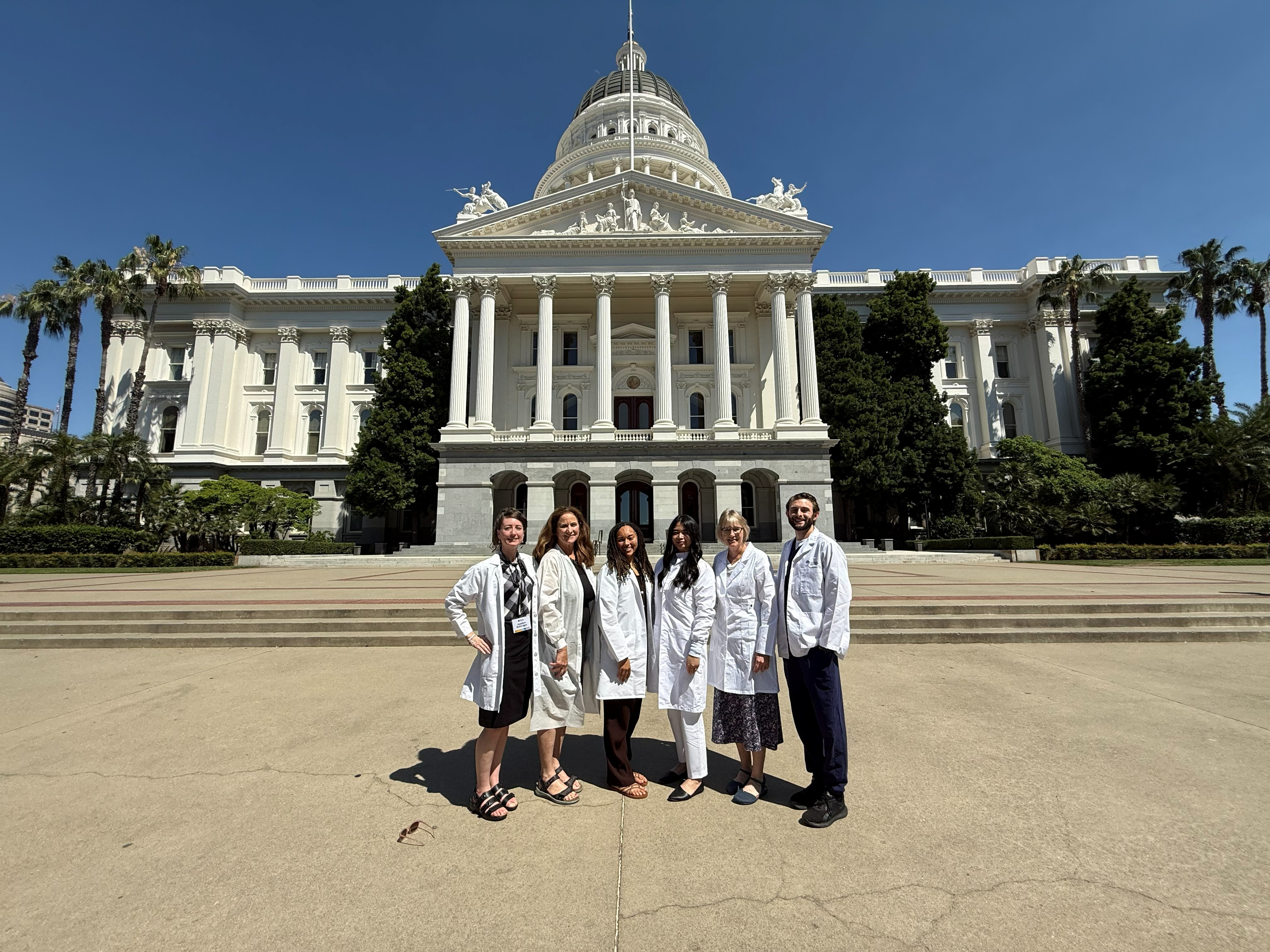
Building on this effort, a delegation of laboratory professionals traveled to the state’s capital in Sacramento to advocate directly with state legislators during hearings of the California Senate Budget and Fiscal Review Committee on May 20 and 21, 2026. The delegation, led by Ann Ho Cichocki, included Laura Laakso, CLS, MLS (ASCP), Valerie Trenev, CLS, MLS(ASCP), Josilyn Schrage, CLS, MLS(ASCP)CM, Marilyn Claire Virgo, BA, CLS, MLS(ASCP)CM, and Luke Valencia, DCLS, MLS(ASCP)CM who recommended for reconsideration of the licensing fee increases and highlighted their catastrophic effects on the laboratory workforce.
Although each speaker was allotted only about one minute to address the Senate committee, participants viewed the opportunity as an important step in raising awareness of the issue. According to Mrs. Cichocki, Senate Subcommittee 3 on Health and Human Services Chair Carolyn Menjivar appeared receptive to the coalition’s concerns.
Speaking on behalf of a coalition of 21 laboratory organizations, Ann Ho Cichocki urged the Legislature to address the massive fee increases and restore public oversight of future licensing decisions. During her May 20 testimony, she warned that "a 335 percent license fee increase places a major financial burden on laboratory professionals already facing workforce shortages and rising cost of living." She also emphasized the potential consequences for patient care, noting that the increases create "a serious risk for California's healthcare system, especially in rural and underserved communities on the state borders that already struggle to recruit and retain laboratory scientists."
At the May 21 hearing, Cichocki returned a second day and shifted her focus to concerns about transparency and accountability in the fee-setting process. Referring to AB 144, she told legislators that granting unilateral authority to the CDPH to adjust fees annually based on their operational needs "would reduce transparency and accountability." She argued that the financial burden of supporting broader laboratory oversight activities was falling disproportionately on laboratory professionals, stating that "the people in the lab" should not be expected "to subsidize the costs of broader laboratory oversight."
Mrs. Cichocki noted that she believes the Governor's current budget proposal makes clear that the revenue increase sought for Laboratory Field Services (LFS) is primarily intended to support general laboratory oversight activities rather than oversight of laboratory personnel. However, she argued that the financial burden of generating that revenue is being placed disproportionately on laboratory professionals themselves.
Addressing Issue 20 on the hearing’s agenda, Laboratory Licensing Resources, Mrs. Cichocki stated that laboratory professionals should not be expected to fund the state's regulatory infrastructure through their individual licensure fees. "The people in the laboratory should not have to pay for the department to hire inspectors and support other CDPH programs through their licensure fees," she said. "It is not appropriate for laboratory personnel to subsidize the costs of broader laboratory oversight."
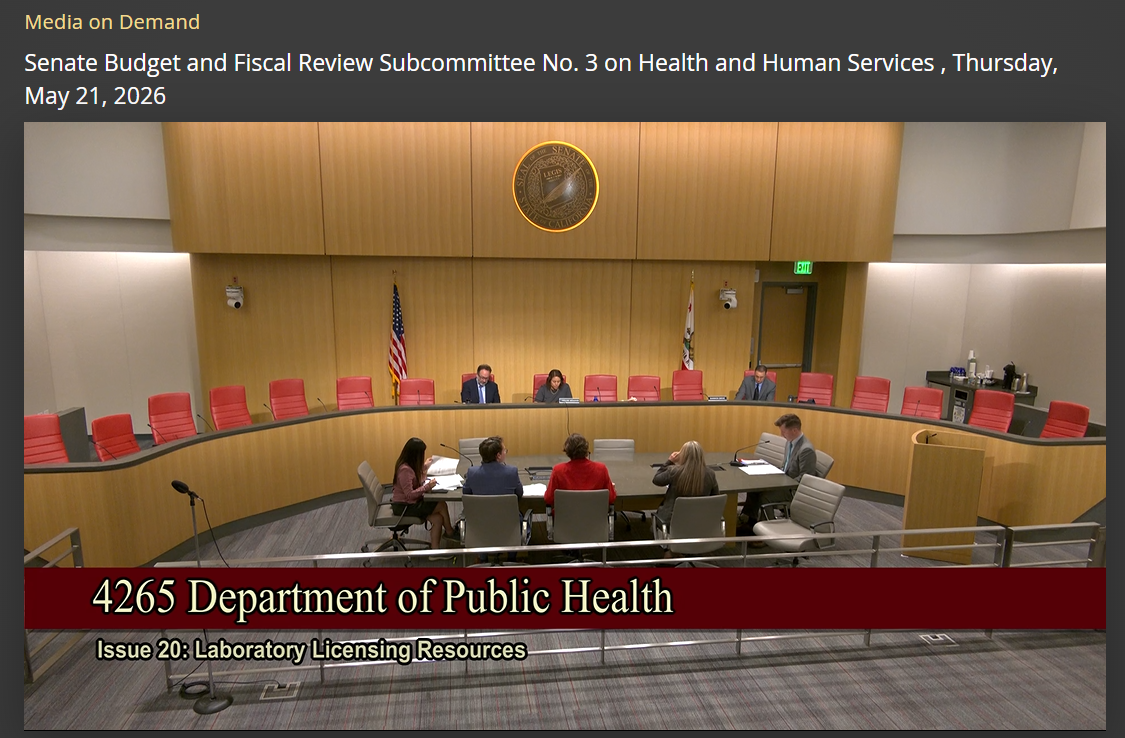
Watch the conversation with Senator Carolyn Menjivar vs. CDPH Laboratory Field Services at timestamps 4:35:01 and 5:02:00 by visiting the website here.
According to Mrs. Cichocki, the California Department of Public Health (CDPH) more than tripled licensing fees for Clinical Laboratory Scientists and other laboratory personnel, increasing them by approximately 161 percent to 335 percent, while fees for laboratory facilities increased by only about 24 percent to 64 percent. She cited this disparity as evidence that individual laboratory professionals are bearing a disproportionate share of the cost increases.
To illustrate the magnitude of the change, Ann compared California's licensing fees with those of other states. "For context, New York's license renewal fee is $170 every three years," she said. "The California equivalent is now $900 every three years, or $300 annually."
Ann warned that, amid ongoing staffing shortages, "these exorbitant, excessive fee increases risk driving highly skilled laboratory professionals out of the field and out of California altogether. International lab professionals are less willing to enter the state to work."
Throughout both hearings, coalition representatives emphasized that the issue extends beyond licensing costs. Ann reminded the Senate committee, laboratory professionals are "the very professionals responsible for providing lifesaving blood units and critical testing services in hospital labs across California." The delegation urged legislators to ensure that future fee adjustments include transparency, public input, and legislative oversight instead of granting the department unilateral authority.
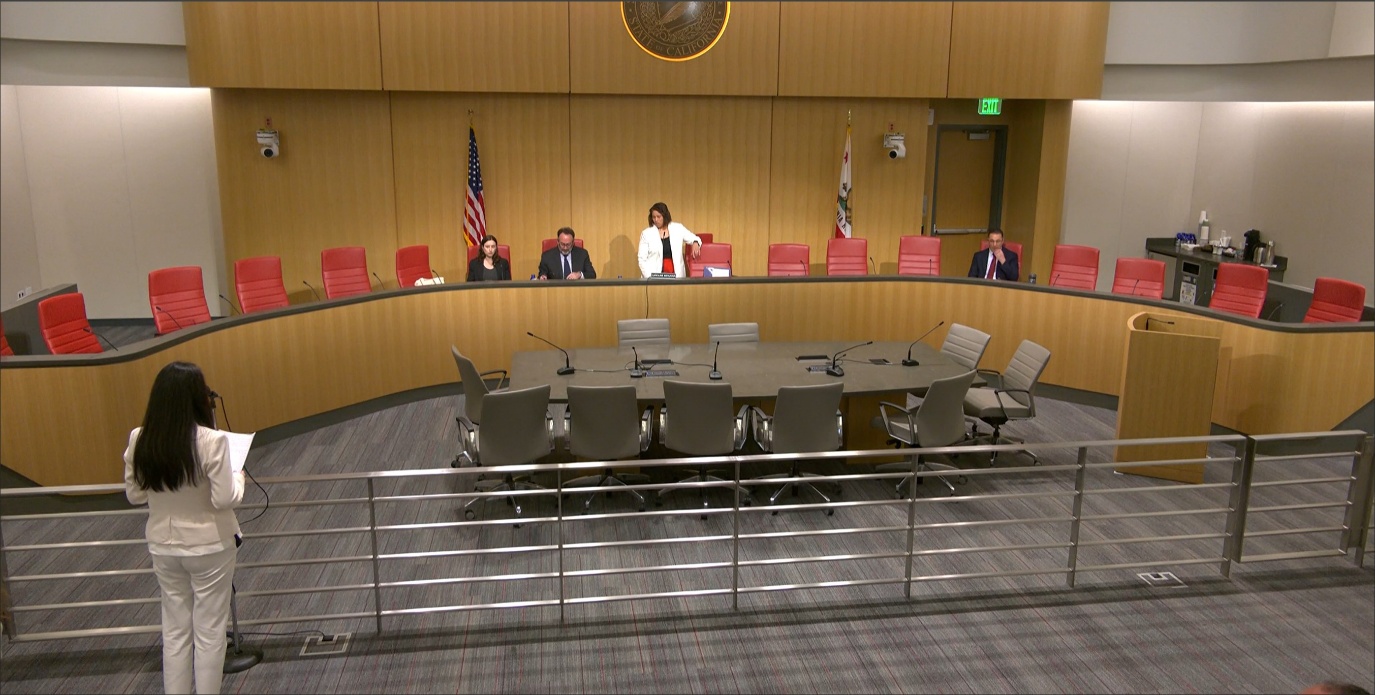
Valerie Trenev described the experience as encouraging, noting the coalition’s diverse representation across laboratory practice settings and professional backgrounds. Despite limited speaking time, she said the group delivered a unified message about the potential consequences of the fee increase on California’s laboratory workforce.
Ms. Trenev felt optimistic, describing the coalition as “magical,” particularly that they all come from different backgrounds and sectors. “On the spot we were able to go in, as a cohesive, amazing, determined group that I think really made an impact,” she says.
The effort continued beyond the Senate hearings. Members of the local chapter’s Shared Leadership Council sent letters to California Assembly members seeking legislative support for the coalition’s position. One of the first responses came from an Assemblymember who represents a district in San Diego County. Laboratory advocates, including Marilyn Claire Virgo, Elma Kamari Bidkorpeh, Valerie Trenev, Josilyn Schrage, Dr. Luke Valencia, and Dr. Justin Hanenberg, later participated in a virtual meeting to discuss the issue and present their concerns. Participants viewed the meeting as a positive step toward securing legislative sponsorship for future action.
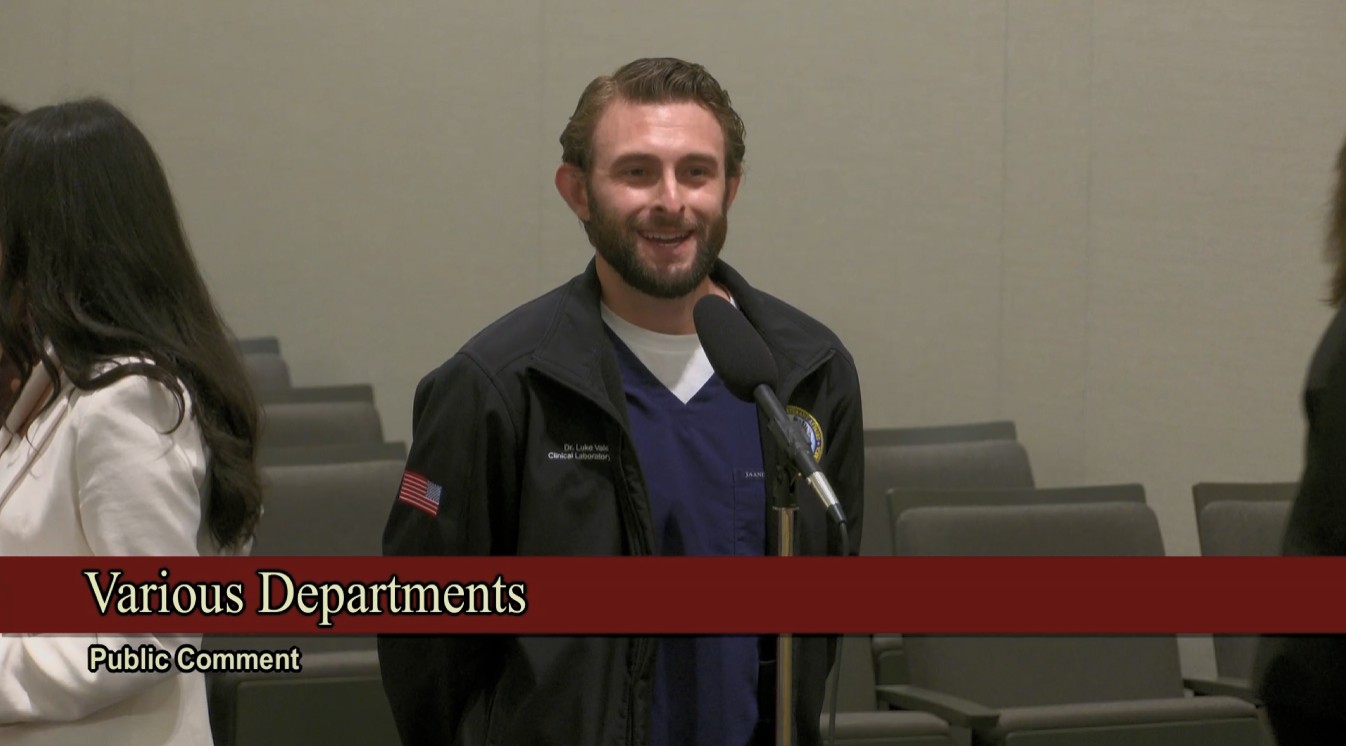
“One of the biggest concerns for our students is that the MLT trainee license now costs the same as a full professional license. Our students are now required to obtain a license, which costs $300 before they have even graduated and again once they finish for their full license. They must pay this fee while completing their didactic coursework and unpaid hospital clinical rotations. Many students attend community college because it is an affordable pathway into healthcare. They often rely on financial aid to cover tuition and are already balancing significant financial challenges while completing a demanding program that leaves little opportunity to earn income. Adding and raising these trainee licensing fees creates another barrier for students entering a profession that is already facing critical workforce shortages. We should be making it easier—not more expensive—for qualified students to become the laboratory professionals our healthcare system desperately needs." — Dr. Luke Valencia, Professor, Medical Laboratory Technician Program, Folsom Lake College
Letters from ASCP members in California
In addition to direct legislative outreach, ASCP mobilized laboratory professionals through its internal network. Through the ASCP Action Alert campaign, thousands of California members were encouraged to contact elected officials regarding the licensing fee increases. The alert was distributed three times to ASCP members across the state, generating a total of 2,730 messages. Each participant sent messages to Governor Gavin Newsom, their state senator, and state assemblymember, demonstrating widespread concern about the impact of the fee increases — from the northernmost communities in Eureka to the southernmost communities in the San Fernando Valley.
The campaign data also provided insight into legislative engagement on the issue. Governor Newsom received a significant number of messages through the action alert. Among state legislators, Senator Steven Choi, a member of the Senate Budget Committee, received the highest number of constituent messages, while Assemblywoman Catherine Petrie-Norris, a member of the Assembly Budget Committee, received the most messages among Assembly members. Coalition advocates noted that these figures illustrate the significant level of grassroots participation from the local community and can help demonstrate to policymakers that the issue resonates with constituents throughout California.
Senator Dr. Akilah Weber Pierson is a board-certified physician, and Californians have reached out to her with the hope that her medical background and expertise will make her receptive to our concerns.
To participate with a California address, visit the ASCP Action Alert website here.
Hurdles and challenges
While coalition members sought dialogue with the California Department of Public Health Laboratory Field Services (CDPH-LFS), their outreach efforts did not result in meaningful engagement.
The coalition's advocacy efforts also revealed the complexities of building consensus among healthcare stakeholders during a difficult fiscal climate. While many organizations supported the campaign, some California hospital systems were hesitant to sign the coalition's advocacy letter because of broader concerns about the state's budget outlook. According to Ann, representatives from some hospital systems expressed concern that California is entering a challenging budget cycle and that public opposition to state funding decisions could be viewed unfavorably. One academic medical center indicated that it was concerned about the message that might be conveyed if the organization publicly opposed the fee increases while it is widely perceived as being in a strong financial position. For Mrs. Cichocki, these discussions highlighted the unique challenge of advocating for laboratory professionals during a period of fiscal uncertainty.
The advocacy campaign also faced challenges within the state's professional community. Initially, the board of directors of the California Association of Medical Laboratory Technology (CAMLT) voted not to sign the coalition's opposition letter. However, CAMLT later reaffirmed its support for the coalition and its efforts to address the licensing fee increase. Coalition members viewed this development as an encouraging sign of unity, underscoring the importance of presenting a coordinated voice on issues affecting the laboratory profession and workforce.
The cause also encountered organizational challenges in securing institutional support. Several laboratory directors expressed a desire to have their hospitals included as signatories on the advocacy letter because they shared concerns about the impact of the fee increases on the laboratory workforce. However, in some cases, the issue was not elevated far enough within the organization's leadership structure to reach executive decision-makers in the C-suite. As a result, some hospitals were unable to formally endorse the letter despite support from laboratory leadership.
Coalition members noted that this experience underscored the challenge of raising awareness about laboratory workforce issues within large healthcare systems, where competing operational and financial priorities often influence advocacy decisions. While not all institutions ultimately signed the letter, many laboratory leaders continued to support the coalition's goals and efforts to address the licensing fee increases.
When asked about the challenges she has faced as a lab advocate, Mrs. Cichocki points to the longstanding lack of visibility for laboratory professionals despite their critical role in healthcare. She noted that clinical laboratory scientists generate the data that guide most medical decisions, yet their contributions are often overlooked in leadership, policy, and regulatory discussions. "As a clinical lab scientist, that challenge can be amplified by perceptions about who is expected to have a seat at the table, advocate, or influence decisions," she says.
Ann says she overcame these barriers by trusting her expertise, seeking opportunities to collaborate with leaders across the laboratory profession, and remaining committed to speaking up on issues that affect both patient care and the workforce. Through advocacy and professional service, she finds ways to transform challenges into opportunities for meaningful change.
To better advocate for your laboratory, utilize the ASCP Negotiation & Advocacy Toolbox here.
Looking for a better path forward
While there has been no reversal of the fees yet, CLTAC will reconvene on Thursday August 13, 2026, and, Dr. Hanenberg says, “Our organizations aim to secure representation and bring ideas for reform to the table.”
To help shape the discussion at the upcoming Clinical Laboratory Technology Advisory Committee (CLTAC) meeting, please submit your questions and concerns via the intake form here.
In addition to a positive meeting with the Governor’s office on June 9, that left Ms. Trenev feeling “very encouraged by their willingness,” they will also be having a virtual meeting soon with the chair of both the Senate Budget Committee on Health and the Assembly Budget Committee on Health. “I'm hoping that they will listen to us and realize the gravity of the situation because we don't want to make it hard for doctors to get timely and accurate lab results,” she says.
Ms. Laakso is similarly committed, saying, "If it doesn't work out this time, we're going to keep going. We're not giving up."
Meanwhile, Ms. Trenev urges laboratory professionals to familiarize themselves with this and other issues pertaining to their careers, to develop relationships with their representatives, and speak up about this and other relevant issues. “Don't wait until there's a crisis to reach out,” she says.
Looking ahead, Mrs. Cichocki hopes to inspire the next generation of laboratory professionals to recognize the value of their voices. She encourages young women entering the field to have confidence in their abilities, stay intellectually curious, and understand that advocacy is an important part of professional responsibility. "When you advocate for yourself, your colleagues, or your profession, you help carry forward the work of generations of lab professionals who have advanced science and healthcare," she said.
She also hopes advocacy becomes more deeply embedded within the culture of laboratory medicine. "I want future laboratory professionals to see advocacy not as something extra, but as a natural extension of being a laboratory scientist," she said. Her vision is for a profession that values expertise, safeguards licensure, and empowers individuals to influence policy and practice. "When medical lab scientists are supported, respected, and heard, the benefits extend far beyond the laboratory—to the entire healthcare system and the patients we serve."
Social media has also played an important role in expanding awareness of the issue. Marilyn Claire Virgo, BA, CLS, MLS(ASCP)CM, known to many as "Marilyn the Scientist," has used her online platforms to educate audiences about the impact of the licensing fee increases on California's laboratory workforce. Through her @marilynthescientist accounts, Ms. Virgo reaches millions of viewers each month, with her Instagram content alone averaging between 3 million and 20 million monthly views. By sharing advocacy updates and encouraging engagement, she has helped bring greater public attention to a profession that is essential to healthcare but often remains out of the spotlight.
The coalition's digital outreach efforts have also been supported by Xiana Fontno, CLSI Marketing Specialist, who, despite being based on the East Coast, has helped amplify advocacy messages across global social media channels. Ms. Fontno's support reflects the fact that concern over California's licensing fee increases has extended beyond the state, with individuals across the country lending their expertise to the effort. Together, these efforts have helped increase visibility of the licensing fee issue, engage laboratory professionals throughout California, and expand public awareness of the vital role laboratory scientists play in patient care and public health.
The fight against the significant CDPH Laboratory Field Services (LFS) licensing fee increases continues. Members of the ASCP Northern California Chapter’s Shared Leadership Council are actively working to revise the laboratory licensure language within AB 144 and develop proposed amendments that would provide a better path forward. The coalition's goal is to submit these recommendations to the Governor's Office for consideration before the June 25 budget amendment deadline.
As the advocacy campaign continues, the ASCP Northern California Chapter hopes to build on the momentum generated over the past seven months. Coalition leaders encourage more hospitals, clinical laboratories, biotechnology companies, and professional pathology organizations to join the effort and lend their support in the next legislative cycle in 2027. By expanding participation across the laboratory and healthcare community, advocates hope to present a unified voice on behalf of the professionals who provide essential diagnostic testing to patients throughout the West Coast region.
Partnering Organizations:
- American Association of Pathologists' Assistants
- American Society for Clinical Laboratory Science (ASCLS)
- ASCLS California
- American Society for Clinical Pathology (ASCP)
- ASCP Board of Certification (ASCP BOC)
- ASCP Northern California Chapter
- Association for Diagnostics & Laboratory Medicine (ADLM)
- Association of Genetic Technologists (AGT)
- Blood Centers of California
- California Association for Medical Laboratory Technology (CAMLT)
- California Blood Bank Society (CBBS)
- California Society for Histotechnology
- Clinical and Laboratory Standards Institute (CLSI)
- Engineers and Scientists of California Local 20, IFPTE
- National Accrediting Agency for Clinical Laboratory Sciences (NAACLS)
- Northern California Branch, American Society for Microbiology (ASM)
- Northern California Community Blood Bank
- National Society for Histotechnology (NSH)
- Philippine Association of Medical Technologists USA, Inc. (PAMET-USA, Inc.)
- PAMET-USA, Inc. Cal 5
- Tahoe Forest Health System
- The Proficient Lab Inc.